

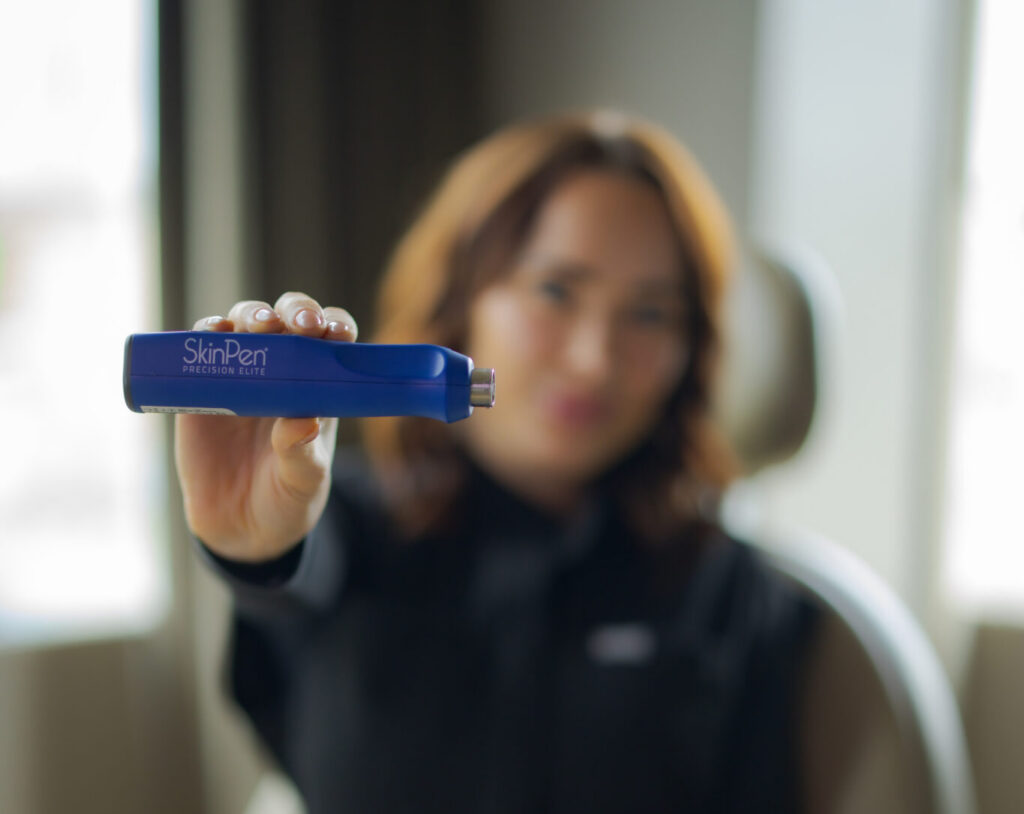
Microneedling has become one of the most popular skin rejuvenation treatments available today, helping to improve fine lines, acne scars, uneven texture, and overall skin quality. While traditional microneedling stimulates the body’s natural healing process, advanced treatments can enhance results by pairing microneedling with regenerative ingredients such as platelet-rich plasma (PRP), exosomes, and growth factors.
If you’re considering skin rejuvenation, understanding the differences between these options can help you determine which treatment may be right for your goals.
What Is Microneedling?
Microneedling is a minimally invasive cosmetic procedure that uses a device with fine needles to create controlled micro-injuries in the skin. These tiny channels trigger the body’s natural healing response, encouraging collagen and elastin production.
As new collagen forms, patients often notice improvements with:
- Fine lines and wrinkles
- Acne scars
- Enlarged pores
- Uneven skin texture
- Hyperpigmentation
- Overall skin firmness
Because the skin is already in repair mode after treatment, many providers enhance results by applying regenerative solutions that can penetrate more deeply into the skin via newly formed microchannels.
What Is Microneedling with PRP?
Microneedling with PRP combines traditional microneedling with platelet-rich plasma from the patient’s own blood. During the procedure, a small blood sample is collected and centrifuged to separate and concentrate the platelets.
The resulting PRP contains a high concentration of growth factors that support tissue repair and regeneration. After microneedling, PRP is applied directly to the skin, allowing it to be absorbed through the treatment channels.
Microneedling PRP Benefits
Many patients choose microneedling with PRP because it uses their body’s natural healing components. Some of the most notable microneedling PRP benefits include:
- Enhanced collagen production
- Improved skin texture and tone
- Faster healing and recovery
- Reduced appearance of acne scars
- Smoother fine lines and wrinkles
- Improved skin radiance
Because PRP comes from the patient’s own blood, the risk of allergic reaction is low, making it an appealing option for those seeking a natural approach to skin rejuvenation.
What Are Exosomes?
Exosomes are tiny extracellular vesicles naturally released by cells. They act as messengers, carrying proteins, peptides, growth factors, and genetic material that help cells communicate and coordinate healing processes.
In aesthetics, microneedling and exosomes treatments use laboratory-prepared exosomes derived from carefully screened sources. When applied after microneedling, these regenerative messengers may help accelerate skin repair and support collagen production.
Because exosomes contain a broad range of signaling molecules, they have generated a significant interest in regenerative medicine and advanced skincare treatments.
Benefits of Microneedling Exosomes
Many providers offer microneedling exosomes as an alternative to PRP for patients seeking enhanced rejuvenation.
Potential benefits include:
- Support for collagen and elastin production
- Improved skin texture and elasticity
- Reduced redness and downtime
- Enhanced healing response
- Brighter, more youthful-looking skin
- Potential improvement in signs of aging
One advantage of exosome-based treatments is consistency. Unlike PRP, which varies based on an individual’s age, health, and platelet quality, exosome products are manufactured under controlled conditions.
As research into exosome therapy skin applications continues to evolve, many practitioners view exosomes as one of the most exciting developments in regenerative aesthetics.
What Are Growth Factors?
Growth factors are naturally occurring proteins that help regulate cell growth, tissue repair, and collagen production. While PRP contains growth factors, standalone growth-factor serums are typically developed through biotechnology and designed specifically for skincare applications.
When applied after microneedling, growth factors can penetrate the skin more effectively and help support the healing process.
Growth factor-enhanced microneedling may help:
- Improve skin texture
- Minimize fine lines
- Support collagen production
- Promote smoother, healthier-looking skin
- Accelerate recovery after treatment
Many patients who are not candidates for PRP or who prefer not to have blood drawn find growth factor treatments to be a convenient alternative.
PRP vs. Exosomes vs. Growth Factors: What’s the Difference?
While all three options are designed to enhance skin rejuvenation, they work in slightly different ways.
PRP uses the patient’s own concentrated platelets and naturally occurring growth factors to stimulate healing. Exosomes deliver cellular communication signals that help coordinate repair and regeneration processes within the skin. And growth factors provide targeted proteins that encourage collagen production and tissue renewal.
Which Treatment Is Right for You?
For patients seeking a natural approach that uses their own biological materials, microneedling with PRP remains a popular choice. Those interested in newer regenerative technologies may consider microneedling with exosomes, while growth factors offer another effective option for enhancing post-treatment healing and rejuvenation.
A consultation with an experienced provider can help determine which approach aligns best with your skin type, concerns, and desired results.
Want to Refresh Your Skin?
Microneedling is already a powerful treatment for improving skin quality, but pairing it with regenerative therapies can further enhance results. Whether you choose microneedling with PRP, exosomes, or growth factors, each option offers unique benefits designed to support collagen production, accelerate healing, and promote healthier-looking skin.
If you’re interested in seeing its benefits firsthand, visit our experienced team at Cult Aesthetics. We can help you determine which treatment is ideal for your skin and goals.
Book an appointment at our Atlanta, Dallas, or Phoenix location to get started.